

Why Anxiety Feels So Much Worse After Having a Baby
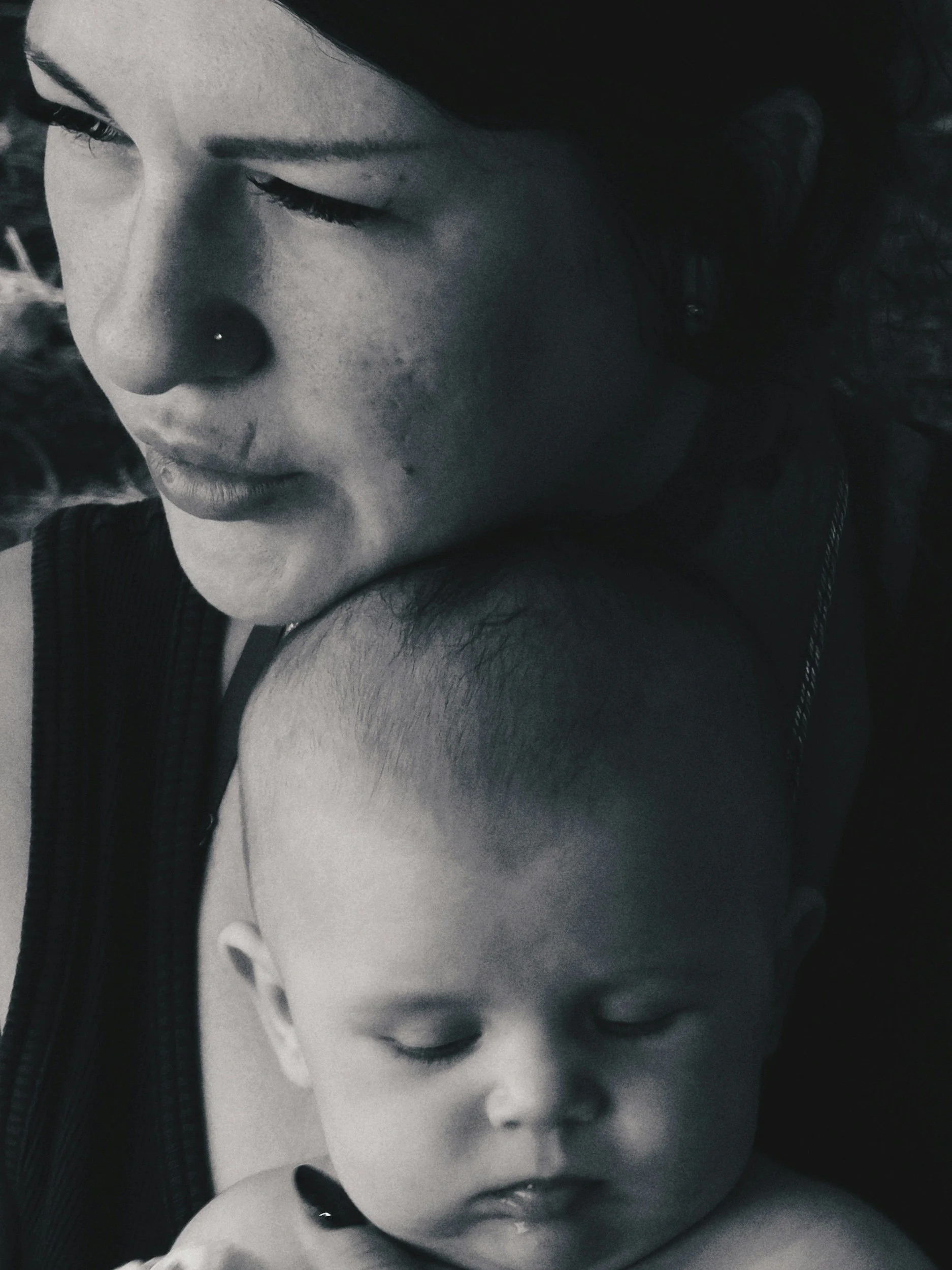
Everyone talks about how much your life changes after having a baby.
What people don't talk about enough is how dramatically your mind can change too.
Many new mothers find themselves worrying more than ever before.
They worry about sleep.
They worry about feeding.
They worry about milestones.
They worry about illness.
They worry about making mistakes.
They worry about things that haven't happened and may never happen.
For some women, this level of worry becomes overwhelming and begins interfering with daily life, relationships, sleep, and enjoyment of motherhood.
This is often postpartum anxiety.
What Is Postpartum Anxiety?
Postpartum anxiety is more than normal concern about your baby.
It's a persistent state of fear, worry, and hypervigilance that can make it difficult to relax even when everything is okay.
Many mothers describe feeling like they're constantly waiting for something bad to happen.
Common symptoms include:
Excessive worry
Racing thoughts
Difficulty sleeping even when the baby sleeps
Feeling on edge
Irritability
Constant checking behaviors
Difficulty trusting others with the baby
Intrusive thoughts
Physical symptoms such as tension, nausea, or a racing heart
Postpartum anxiety is extremely common, yet many women don't realize they're experiencing it.
The Problem With "Mom Guilt"
Many mothers assume their anxiety is simply part of being a good parent.
They believe that if they stop worrying, something bad will happen.
In reality, anxiety often tricks us into believing that worry equals protection.
It doesn't.
Worrying for six hours about your baby's safety doesn't make your baby safer.
It only leaves you exhausted.
Many mothers become trapped in a cycle where anxiety feels productive, even though it's draining their energy and joy.
Understanding Intrusive Thoughts
One of the most frightening experiences for new mothers is intrusive thoughts.
These are unwanted thoughts, images, or fears that seem to come out of nowhere.
Examples may include:
Fear of accidentally dropping the baby
Fear that something terrible could happen
Graphic images of accidents or injuries
Thoughts that feel shocking or disturbing
Many mothers worry these thoughts mean something is wrong with them.
In reality, intrusive thoughts are often a symptom of anxiety.
The presence of an intrusive thought does not mean you want it to happen or that you're capable of harming your child.
In fact, mothers who are distressed by intrusive thoughts are often highly protective and deeply caring.
Why New Mothers Feel Like They Have To Do Everything
Postpartum anxiety frequently shows up as control.
Many mothers struggle to:
Accept help
Delegate responsibilities
Trust their partner
Leave the baby with family members
Take breaks
The anxiety says:
"If I don't do it myself, something will go wrong."
Over time, this creates exhaustion, resentment, and burnout.
The truth is that accepting support is not weakness.
It's a necessary part of sustainable parenting.
How Therapy Can Help
Postpartum anxiety is highly treatable.
Therapy helps mothers:
Understand anxiety and intrusive thoughts
Learn nervous system regulation skills
Reduce excessive worry
Challenge catastrophic thinking
Build trust in themselves
Create realistic expectations
Strengthen support systems
Improve communication with partners
Perhaps most importantly, therapy helps mothers reconnect with themselves.
Because underneath the anxiety is often a woman who is carrying more responsibility than anyone realizes.
You Don't Have To Stay In Survival Mode
Many mothers spend months or even years believing they simply need to push through.
But motherhood was never meant to be endured in a constant state of fear and overwhelm.
You deserve support.
You deserve rest.
You deserve moments of joy that aren't immediately interrupted by worry.
And you deserve to experience motherhood from a place of connection rather than survival.
If anxiety has become the loudest voice in your life since having a baby, know that help is available and things can get better.